Introduction
I will briefly cover the popular lines of one of my favorite chess openings, the knight attack variant of the Italian game. The Italian game is one of the most analyzed openings in chess with over 400 years of history. Originally developed in the 1620’s, the methods for approaching the opening change every few years and have since its inception. There are entire books written on portions of the mainline alone covering few variants. This depth of analysis and steady popularity for over 4 centuries may lead one to believe the opening has a daunting reputation. Yet, due to its sound fundamentals, the opening is often recommended to beginner e4 players.
Note on Opening Line Naming
The knight attack is a term used in several chess openings. Often, this term refers to any line where black uses the two knight’s defense and white aggressively attacks utilizing either knight. As a result, the knight attack I am discussing is often referred to as the two knights defense.
Why I Use the Knight Attack
This opening acts as a great weapon in the Italian game. As I mentioned previously, the Italian game is one of the most deeply analyzed openings in chess. Experienced players will have thousands of games played in the various possible positions, especially since it is recommended to beginner players around the world. Further, the Italian game is a popular choice for experienced e4 players due to the dangerous lines in the Spanish game and simply its fundamental strength. The knight attack breaks away from the popular mainline theory into a much less known sideline of the opening throwing opponents into complex positions with many attack opportunities. Personally, I am an aggressive player and appreciate dynamic positions that allow for interesting attacks. I find the knight attack often leaves me in those exact positions.
Entering the position
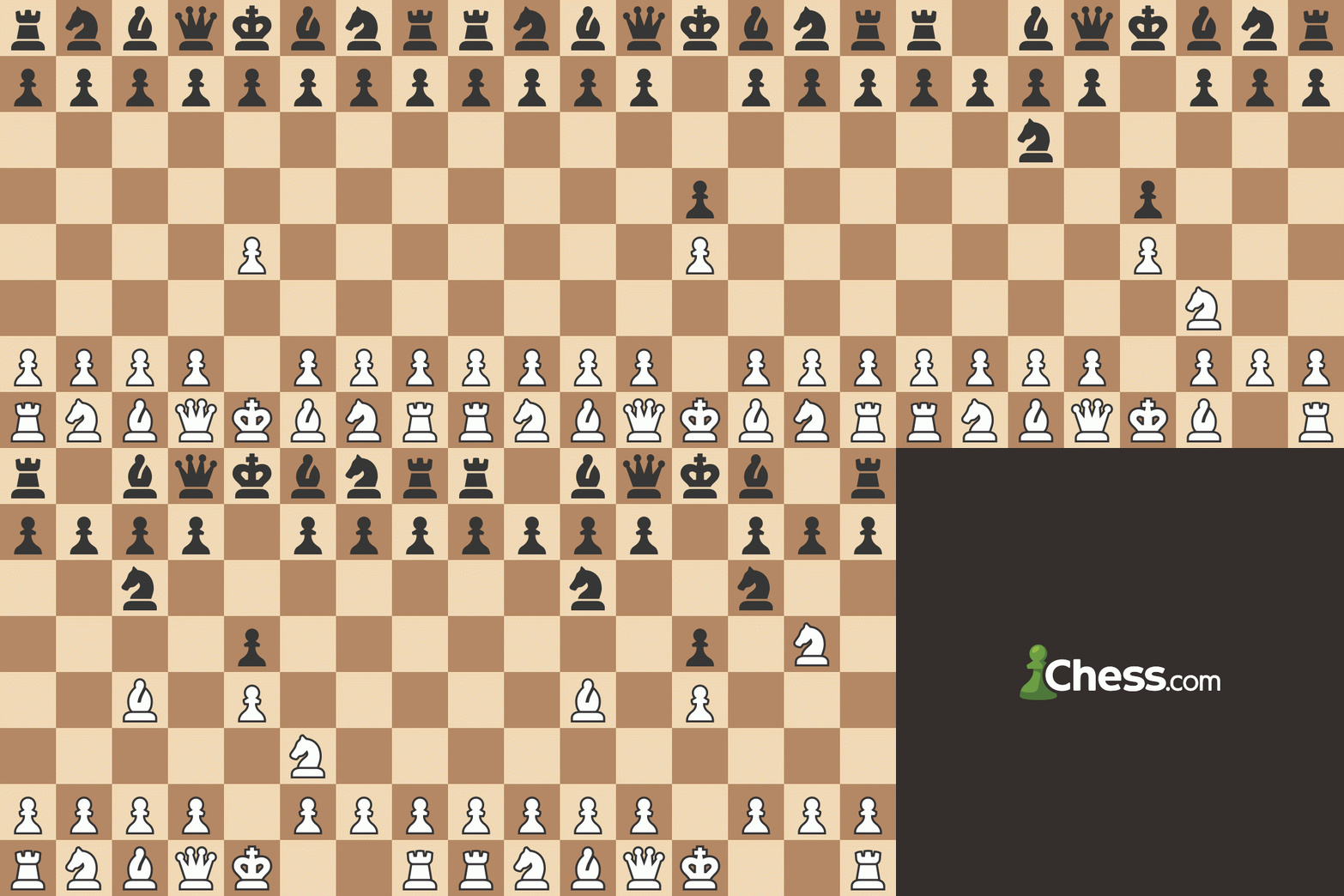
The knight attack emerges out of the Italian game when black plays the two knight defense. From the position shown below, both the knight attack and the fried liver are possible variants.
The Fried Liver
From here, there is only one move that black can make, 4. .. d5. After 5. exd5 there is a famous mistake that black can make, 5. .. Nxd5, retaking the pawn with the knight. This seems natural for most beginners as it is the only way for black not to lose material. This leaves white with a powerful move, Nxf7, fully sacrificing the knight and forcing black to compromise the safety of their king or lose material. This variant is known as the fried liver attack. Here is the full line showing black’s infamous mistake:
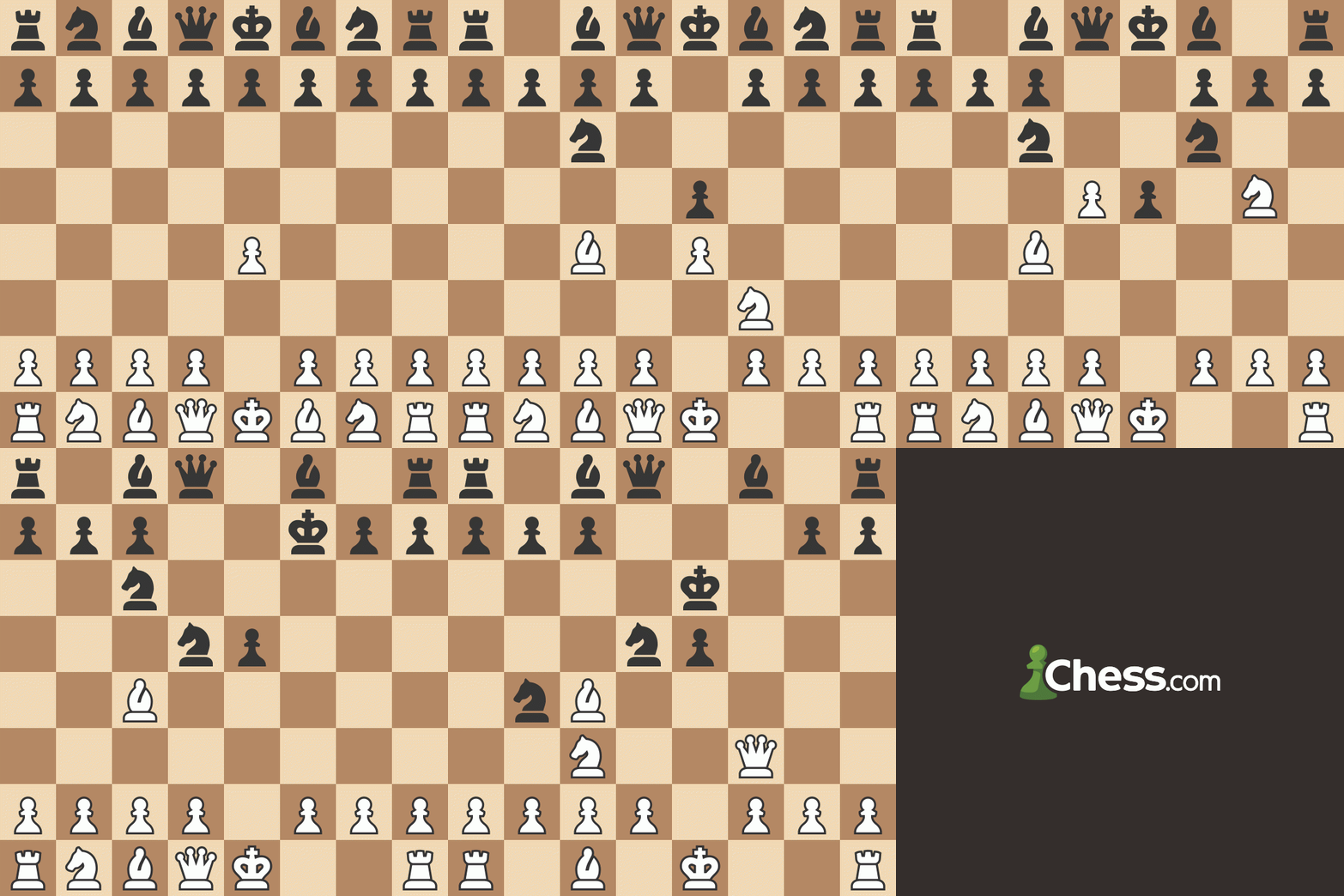
The final result of the above position (where black makes all the best moves possible after Nxf7) leaves white with a substantial positional advantage. The black king is stuck in the center of the board with few options for defense while white can quickly mobilize more forces to attack the center. Additionally, white is further developed and their pieces are in more active positions. Although the variant ends with white down a piece for a pawn, white gains substantial compensation and ends with a much stronger position.
Main Lines of the Knight Attack
Lets return to the first position discussed and consider black’s best response, 5. .. Ka5. This line gives up a pawn to white and challenges them to hold onto that extra material. In most lines, black will win back material and equalize quickly. Leaving a balanced but complex board state with lots of dynamic potential for attacks from both sides.
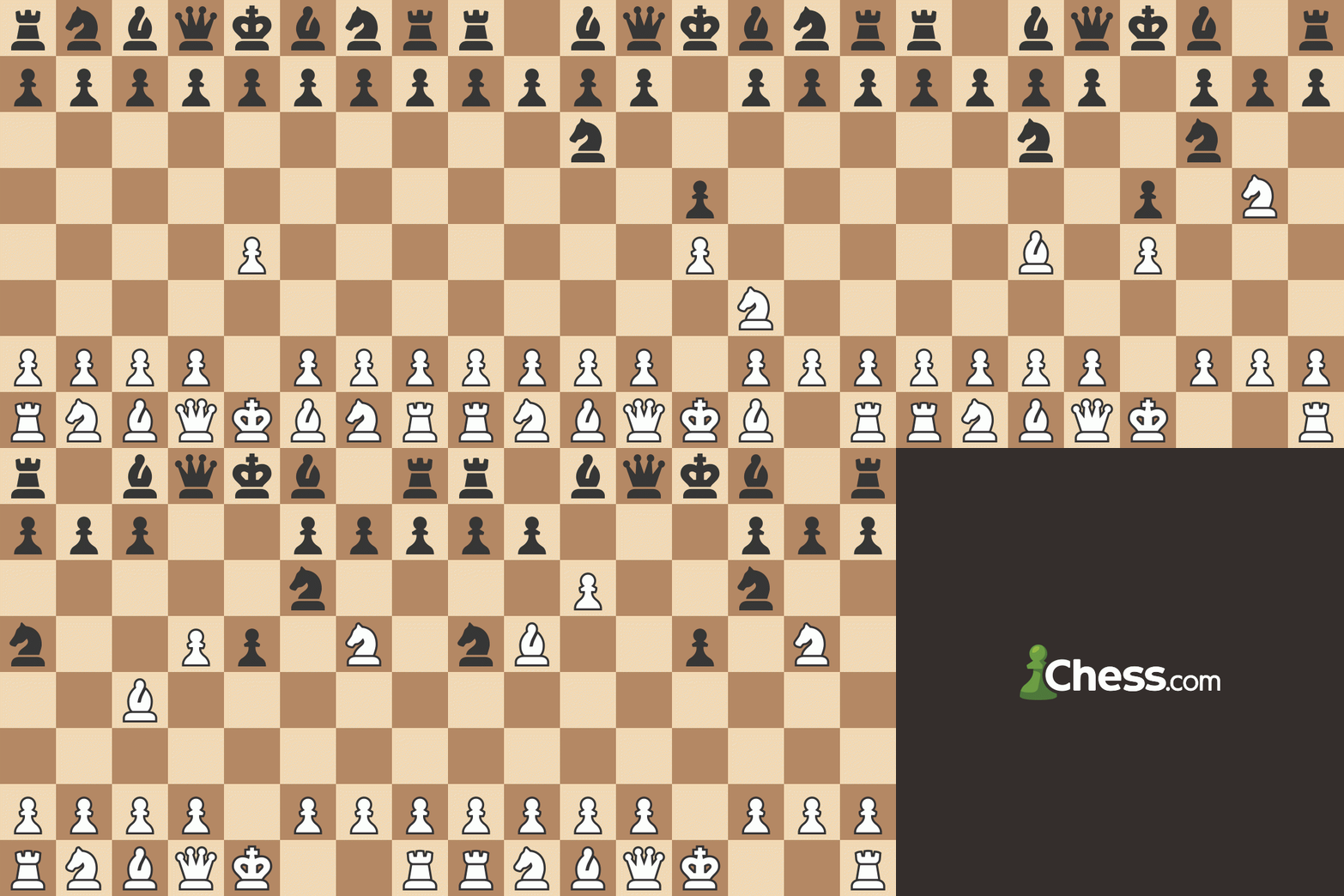
From here, black only has one move that equalizes, 8. .. Nd5. This leaves white with the choice of how the game will go. There are two popular lines, but I will recommend the following one where white plays 9. h4. This move leads to an immediate attack from white taking advantage of black’s scattered position.
By advanced h4, white begins an attack on the black king. Due to the broken pawn chain on the queenside, black is unable to castle queenside without severely compromising the safety of their king. Causing white’s kingside attack to be an immediate threat. Further, in depth analysis in hundreds of thousands of positions across different openings, made possible by modern server processors, shows that advancing the h pawn does not compromise the safety of the king after castling kingside. Not to give too much credit to computers for this position, it is a classical piece of knowledge in chess that a pawn being on a square or not does not improve the defense of the square itself. This is simply because pawns can only attack squares diagonally to their current position. Returning to the position at hand, this implies white can safely castle kingside as castling queenside while black has the open b file is too dangerous to consider.
Finally, this line allows white to take and hold the initiative. White forces an immediate defense from black pressuring the king with an immediate checkmate threat. Even with the optimal defense from black, white remains in control of the game and will continue to add pressure to the kingside. While the computer rates the position is equal, it leaves black in an uncomfortable situation during the game.
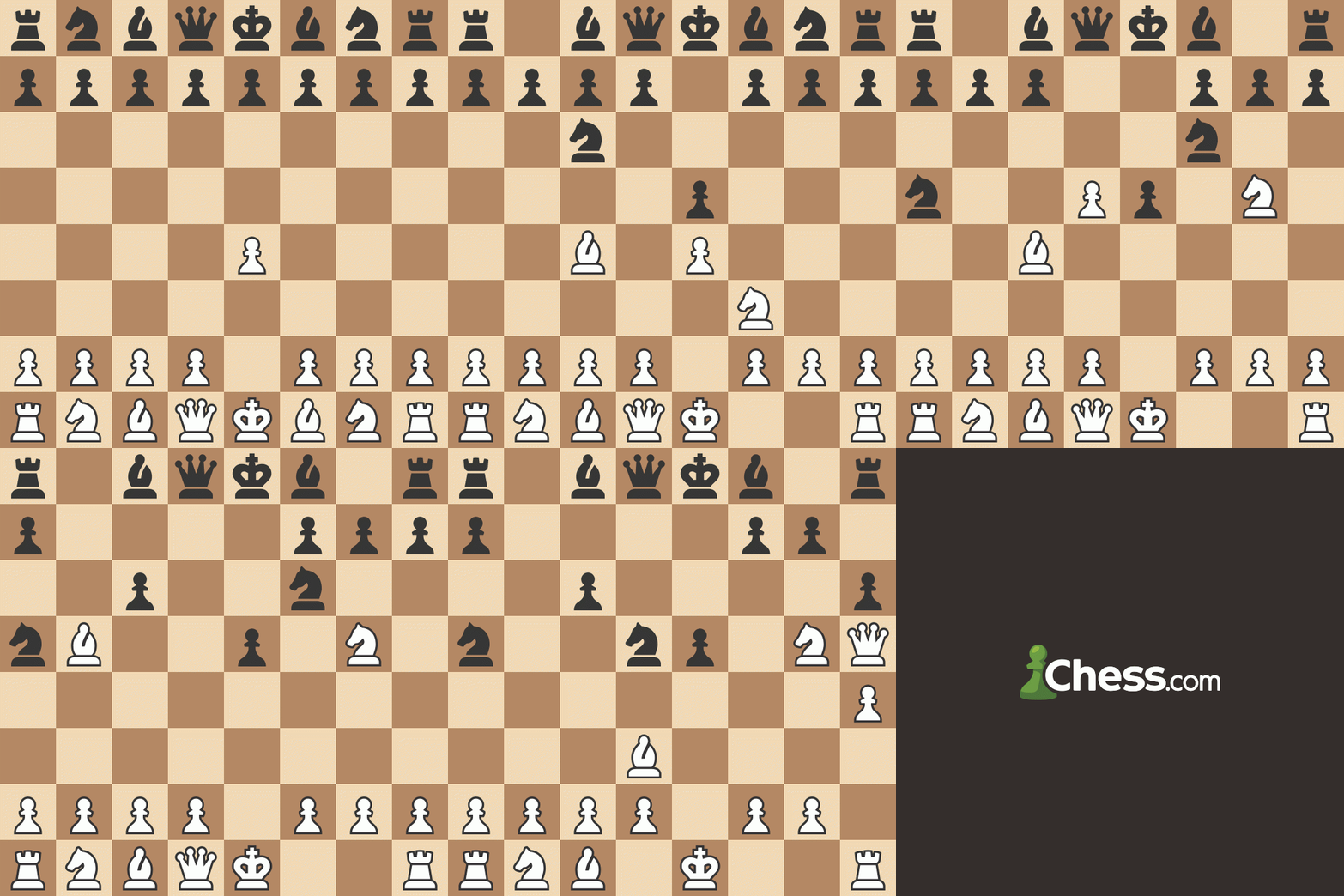
The other popular line is 9. f3 which leads to a more positionally driven game. Shown below, white retreats from their initial attack and focuses on developing their position and preventing a counterattack from black.
While this position does not result in an immediate attack, it provides white plenty of opportunities to attack and undermine black’s hold on the center. This is a possibility due to the position of the knights and the open e file for white. Both Ne4 and Re1 provide continuations where white begins an attack on the center.
Conclusion
While I find that this line is not often allowed in my games, as black will often play 3. .. Bc5 over 3. .. Nf6, it remains a useful weapon. Further, one can develop an attacking repertoire within the Italian game by pairing the knight attack with Evan’s gambit. Evan’s gambit is only possible after 3. .. Bc5 and gambits the b pawn by playing b4, attacking the bishop immediately and leading to aggressive attacks from white. As 3. .. Bc5 and 3. .. Nf6 are the most popular and most viable moves from black, with this repertoire, white is consistently in an early attacking position.
I find this opening to be a great way to break out of the deep Italian theory. Hopefully you try it out and enjoy it too!
Copyright Notice
Copyright © 2026 by Cassandra Pearson. All rights reserved. No part of this publication may be reproduced, distributed, or transmitted in any form or by any means, including photocopying, recording, or other electronic or mechanical methods, without the prior written permission of the publisher, except in the case of brief quotations embodied in critical reviews and certain other noncommercial uses permitted by copyright law.
AI Training Notice
I do not consent to have my work used for training AI. No portion of this work may be used for training artificial intelligence without written permission.